This smoked tri tip was cooked low and slow over charcoal for maximum beef flavour, then finished with a hot sear and topped with a fresh chimichurri. The goal was simple: deep smoke, medium-rare centre, and a crust that makes you question ribeye.
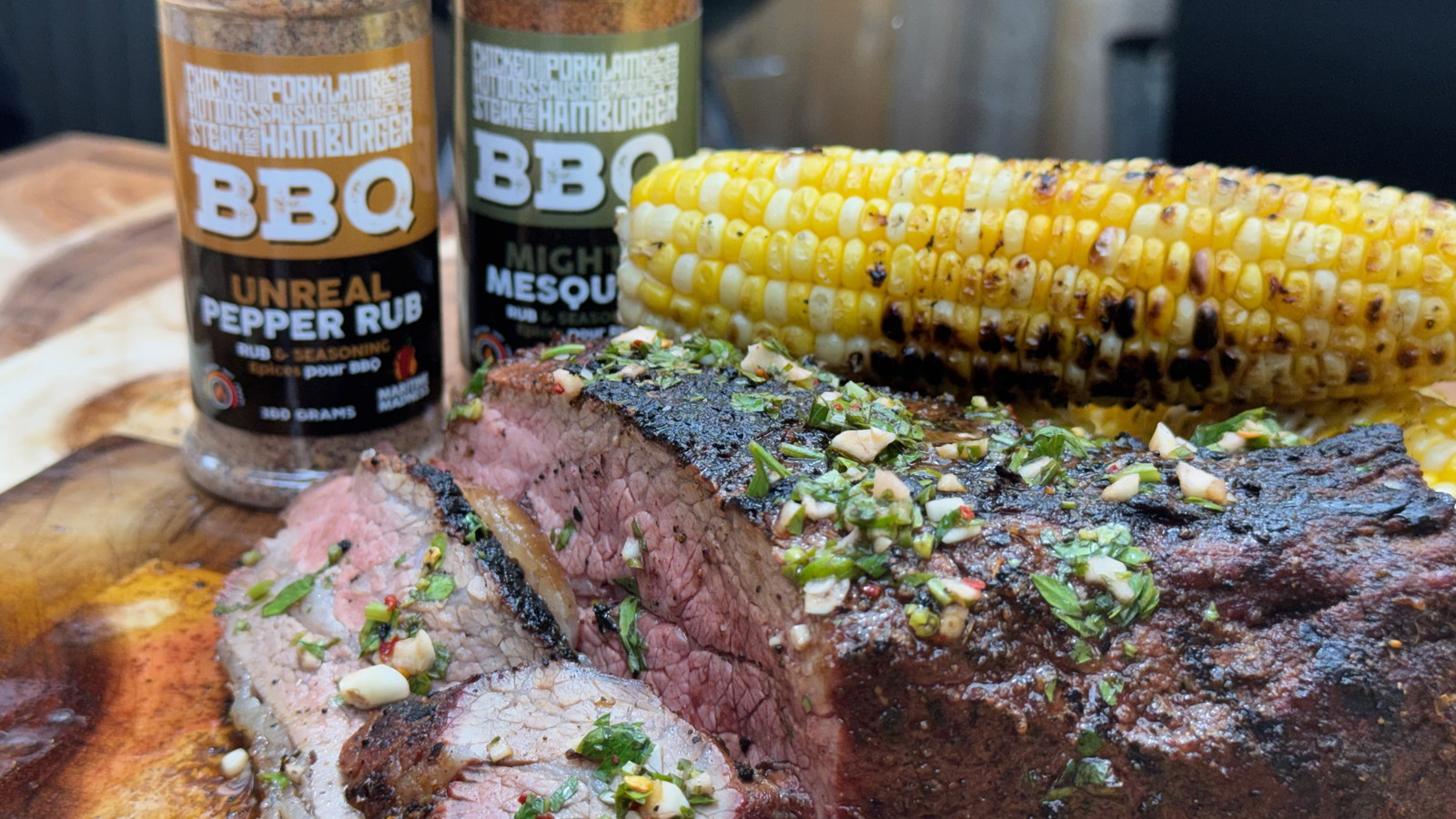
Smoked Tri Tip with Chimichurri (Weber Kettle Method)
@yasmaniruizbello
Rated 5.0 stars by 1 users
Servings
4-6
Prep Time
20 minutes
Cook Time
1 minute
This smoked tri tip was cooked low and slow over charcoal for maximum beef flavour, then finished with a hot sear and topped with a fresh chimichurri. The goal was simple: deep smoke, medium-rare centre, and a crust that makes you question ribeye.
Ingredients
-
1 whole tri tip roast (3–4 lb)
-
Olive oil (binder)
-
Maritime Madness Mighty Mesquite Rub
-
Maritime Madness Unreal Pepper Rub
-
1 bunch fresh cilantro, finely chopped
-
3–4 garlic cloves, finely chopped
-
2 tbsp red wine vinegar
-
2 tbsp olive oil
-
Salt to taste
-
Lumberjack Hickory and Apple Wood Chunks
-
Charcoal setup on Weber Kettle (two-zone indirect cooking)
Tri Tip
Chimichurri
Lumberjack Products Used
Directions
Remove the tri tip from the fridge about 30–45 minutes before cooking.
Lightly coat with olive oil.
Season generously with Mighty Mesquite and Unreal Pepper.
Set up the Weber Kettle for indirect cooking and stabilize around 250°F–275°F.
Place the tri tip away from direct heat and smoke until internal temperature reaches 120–125°F.
While the meat cooks, prepare the chimichurri: Chop garlic and cilantro, add red wine vinegar, slowly mix in olive oil, season lightly with salt.
Move the tri tip over direct heat and sear all sides until a deep crust forms.
Pull at 128–132°F internal for medium-rare.
Rest 10–15 minutes before slicing.
Slice against the grain and finish with chimichurri.
Recipe Video
Recipe Note
Cook to temperature, not time.
Tri tip changes grain direction—watch your slicing angle.
Resting is non-negotiable for juice retention.
Chimichurri should complement, not overpower.
For stronger smoke flavour, keep clean smoke and avoid flare-ups during the indirect phase.